
At The Melrose Vet in Los Angeles, CA, we believe that pet spaying and pet neutering are two of the most important preventative health procedures we perform, offering profound medical and behavioral benefits for your companion. These surgeries, which involve the cat spaying, cat neutering, dog spaying, and dog neutering, are routine at our animal clinic, yet we know owners often have questions about the process, timing, and recovery. We have compiled answers to common concerns to help you feel fully informed about this essential wellness decision.
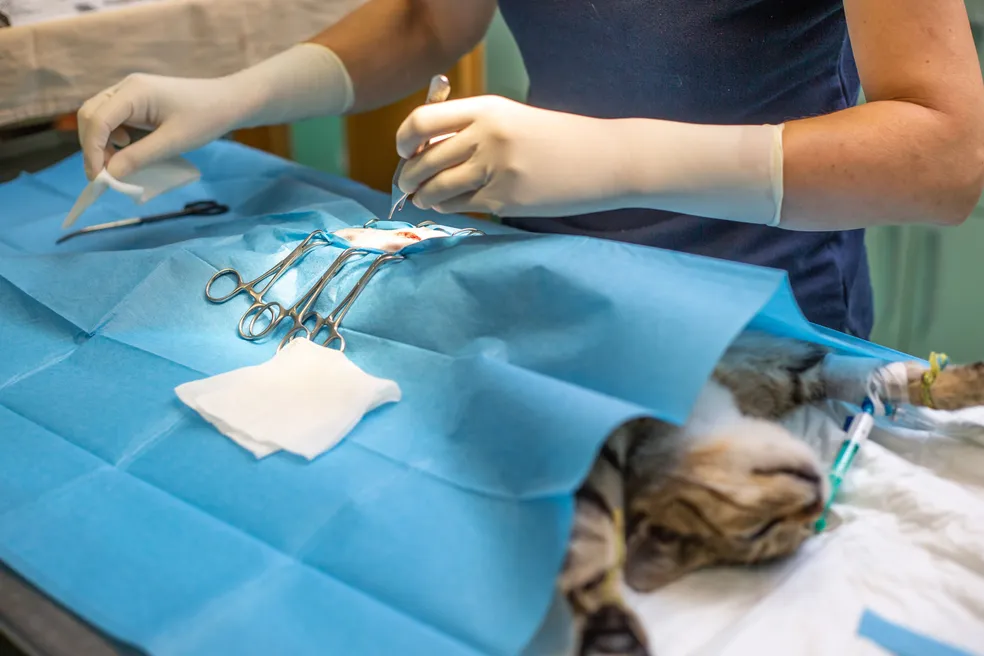
What Is The Difference Between Spaying And Neutering?
Spaying is the surgical removal of a female animal’s ovaries and uterus, medically known as an ovariohysterectomy, preventing pregnancy and eliminating the heat cycle. Neutering refers to the removal of a male animal’s testicles, preventing their ability to reproduce and significantly reducing certain hormone-driven behaviors. Both spaying and neutering are common, safe procedures aimed at improving long-term health and controlling the pet population.
When Is The Ideal Time For Pet Spaying Or Neutering?
For most animals, our veterinarian recommends performing pet spaying or neutering when they are still young, often between five and six months of age, before they reach sexual maturity. Early dog neutering or cat neutering helps prevent the establishment of undesirable behaviors like roaming and marking, while dog spaying and cat spaying done before the first heat cycle drastically reduces the risk of mammary cancer later in life. We always assess each patient individually to determine the optimal timing for their procedure.
What Are The Medical Benefits Of Spaying And Neutering?
The medical advantages of pet spaying and pet neutering are substantial and significantly contribute to a longer, healthier life for your companion. Spaying eliminates the risk of pyometra, a common and potentially fatal uterine infection that occurs in up-spayed females, and dramatically lowers the incidence of breast cancer. Neutering removes the risk of testicular cancer and reduces the likelihood of prostatic diseases and certain aggressive tendencies.
What Does The Recovery Process Involve?
After cat spaying, dog spaying, cat neutering, or dog neutering, your pet will recover from anesthesia at our animal hospital before being discharged to your care, typically later that same day. We provide detailed instructions for monitoring the surgical site, restricting activity, and administering any necessary pain medication for the next seven to ten days. Keeping your pet calm and preventing them from licking the incision are the two most crucial aspects of a successful at-home recovery.
Schedule Your Pet Spaying Or Neutering Appointment
Deciding to move forward with spaying or neutering is a responsible choice that protects your pet’s health and supports the well-being of the Los Angeles community. If you have any remaining questions or are ready to schedule your pet’s procedure, we are here to provide exceptional care in a supportive environment. Call The Melrose Vet today to speak with a trusted veterinarian near you about their surgical needs at our animal clinic.